Not a member? Sign Up
West Bengal’s tribal culture is not uniform—it changes with landscape, forest type, soil, and climate. From the red laterite belt of western Bengal to the Himalayan foothills of the north, each region shaped distinct tribal practices, products, and crafts. Together, they form a living map of sustainable living.
Communities: Santhal, Bhumij, Lodha
Landscape: Sal forests, rivers, and laterite soil
Practices & Produce
Mixed forest-based farming and rain-fed paddy
Collection of forest foods: mahua flowers, mushrooms, leafy greens
Traditional rice varieties, millets, pulses
Natural honey collection
Indigenous poultry and goat rearing
Craft & Culture
Santhal wall art and ritual motifs
Leaf plates, bamboo baskets, wooden tools
Music and dance tied to harvest cycles
Communities: Santhal, Kurmi, Bhumij
Landscape: Dry laterite land, scrub forests
Practices & Produce
Drought-resilient crops, oilseeds, pulses
Indigenous cattle rearing and organic manure cycles
Herbal plants, tubers, seasonal vegetables
Craft & Identity
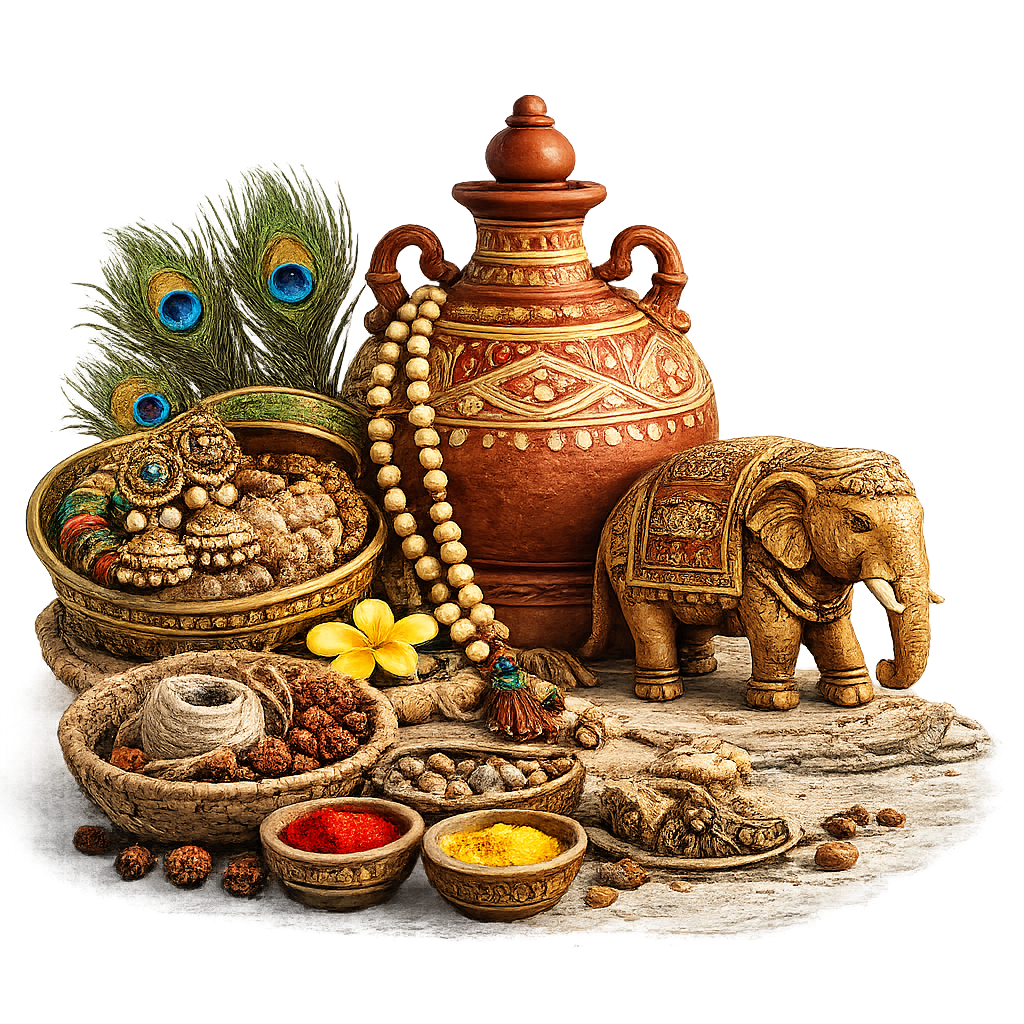
Terracotta traditions (inspired by folk belief systems)
Clay utility items, ritual objects
Handloom weaving and natural dye use
Communities: Munda, Oraon, Ho
Landscape: Rocky plateau, forests, hill streams
Practices & Produce
Shifting and mixed agriculture
Forest fruits, roots, medicinal herbs
Seasonal fishing and community ponds
Craft & Expression
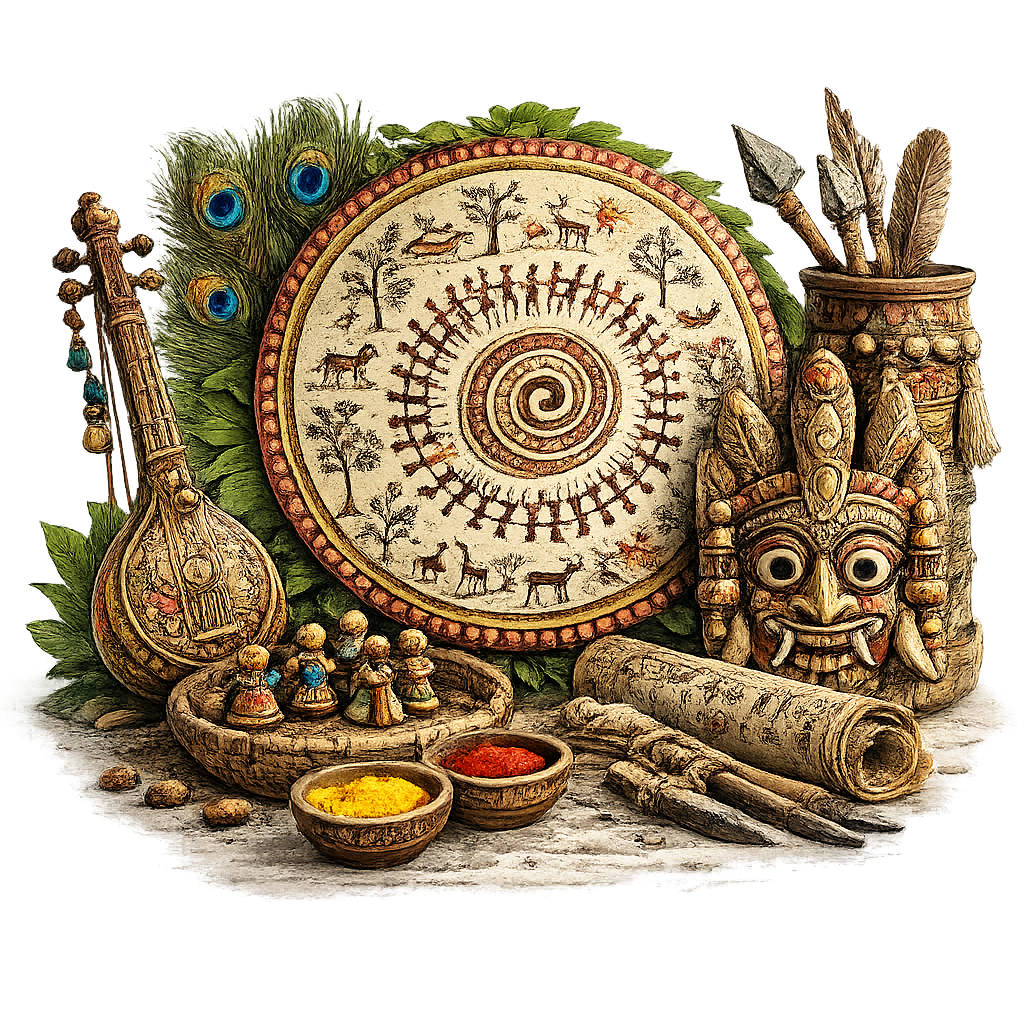
Masks and woodcraft linked to folk festivals
Tribal musical instruments
Seed preservation through oral knowledge
Communities: Santhal, Oraon
Landscape: Laterite soil, open forests
Practices & Produce
Paddy, vegetables, mustard
Herbal remedies and forest greens
Livestock integrated with farming
Craft & Culture
Folk paintings, clay figurines
Ritual crafts for seasonal festivals
Communities: Toto, Lepcha, Rabha, Mech
Landscape: Himalayan foothills, rivers, dense forests
Practices & Produce
Bamboo-based housing and tools
Organic vegetables, fruits, spices
Wild herbs, roots, and forest honey
Fishing and river-based livelihoods
Craft & Skills
Bamboo weaving, cane baskets
Natural fibre crafts
Herbal knowledge linked to mountain ecology
Across regions, West Bengal’s tribal communities share core principles:
Community-first living
Respect for forests and water
Seasonal, mixed, and low-impact agriculture
Zero-waste use of natural resources
Knowledge passed orally, not industrially
Tribana curates products and stories rooted in these regional tribal practices, ensuring that food, crafts, and natural goods are not stripped of their context. Every product represents a place, a practice, and a people—not just a commodity.
By respecting regional diversity within Bengal’s tribal culture, Tribana helps preserve authenticity while enabling ethical access to modern and global markets.